Lively Minds
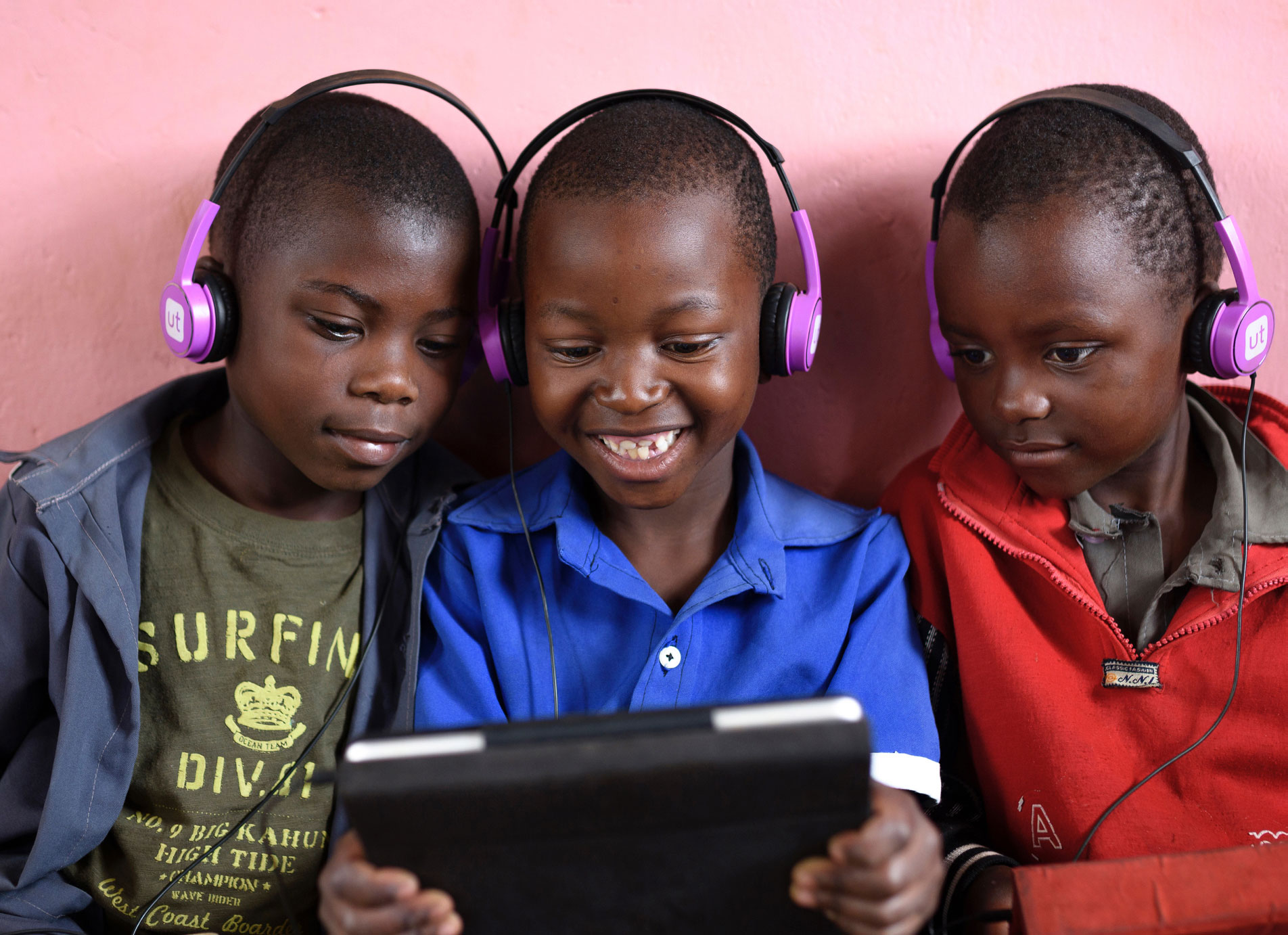
Preschool kids in poor countries miss out on the care and learning they need, both in school and at home.
The Idea
Parent-Powered Early Learning
Fellow
Alison Naftalin
Mulago Lead
s

Total Investment
1550000
Grants
0
Equity/SAFE
0
Debt/Convertible Debt
Funded Since
2019
Geography
Sector
Structure
The Mission
Thriving kids.
How It Works
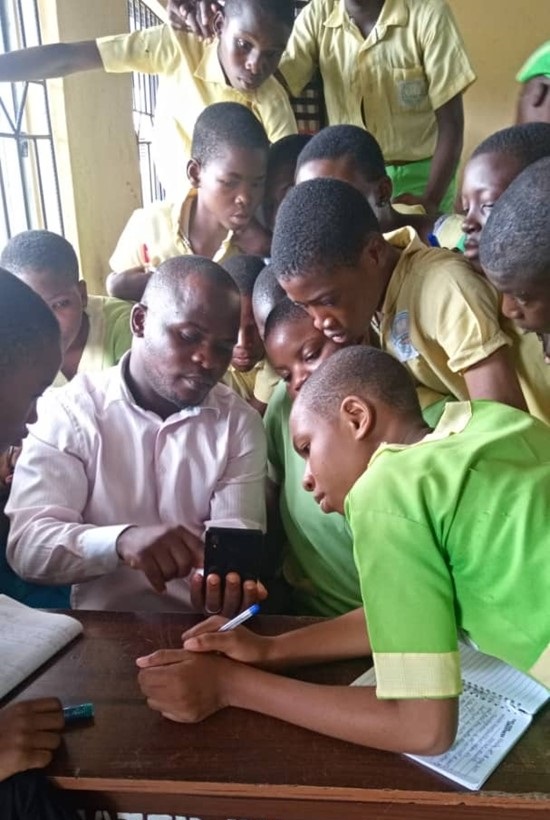
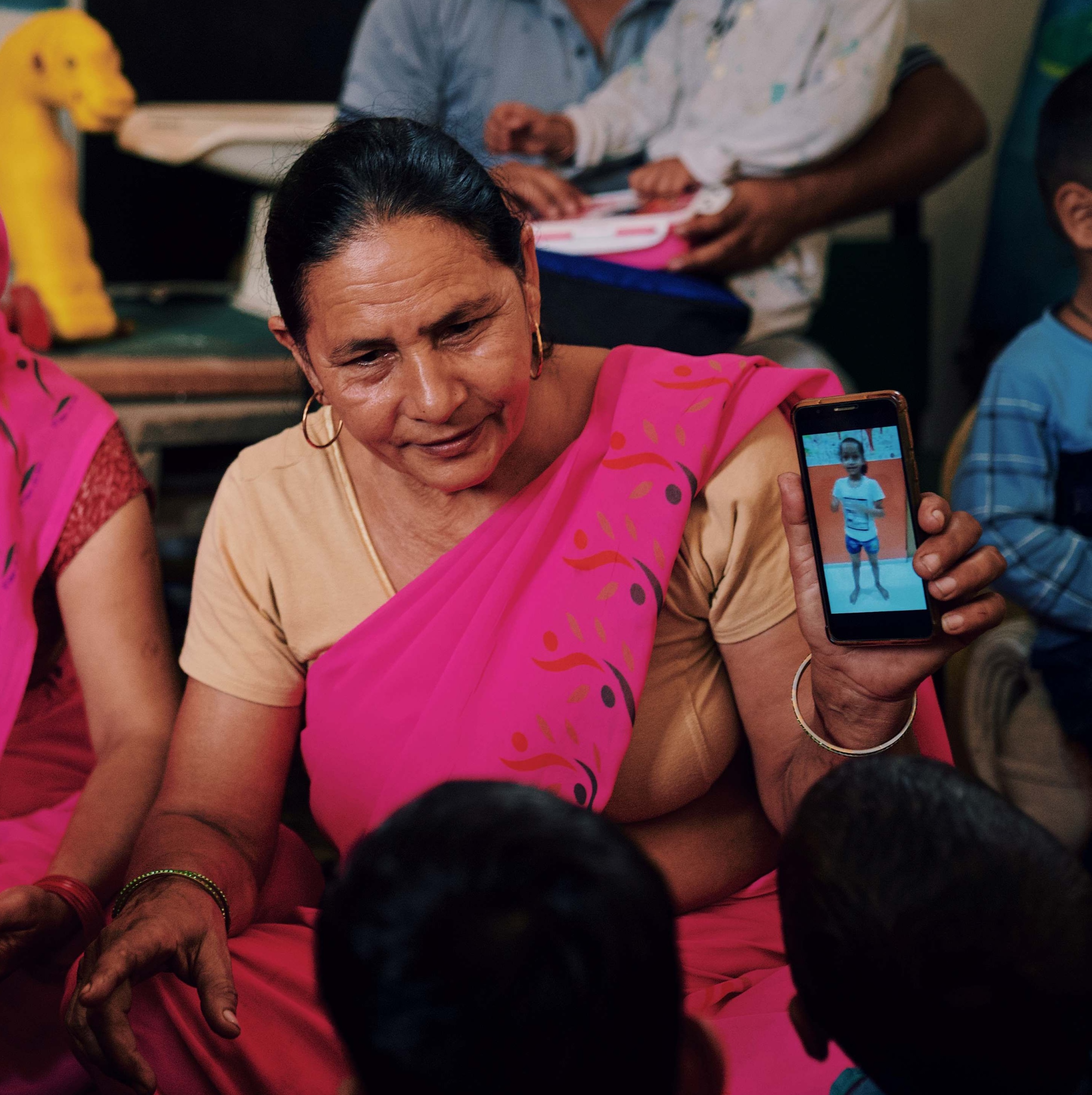
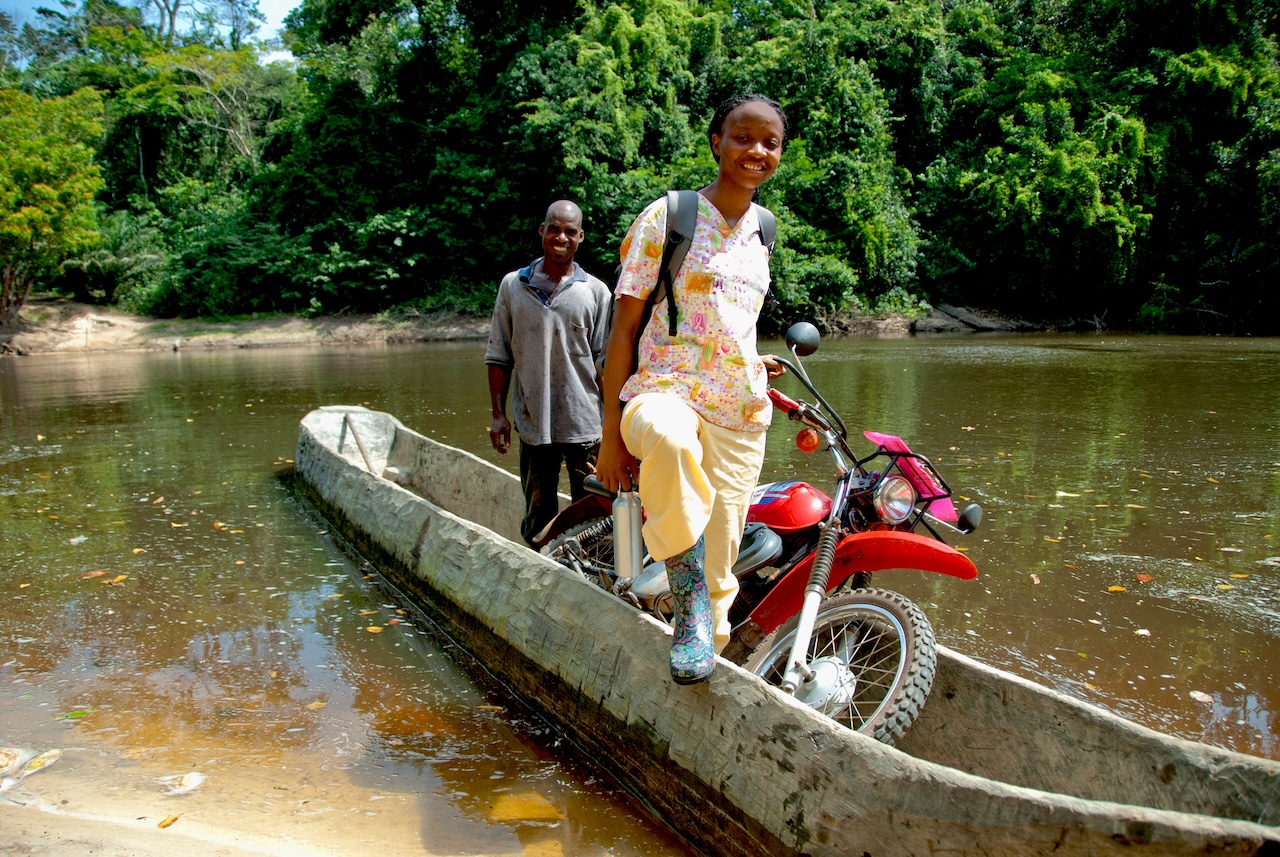
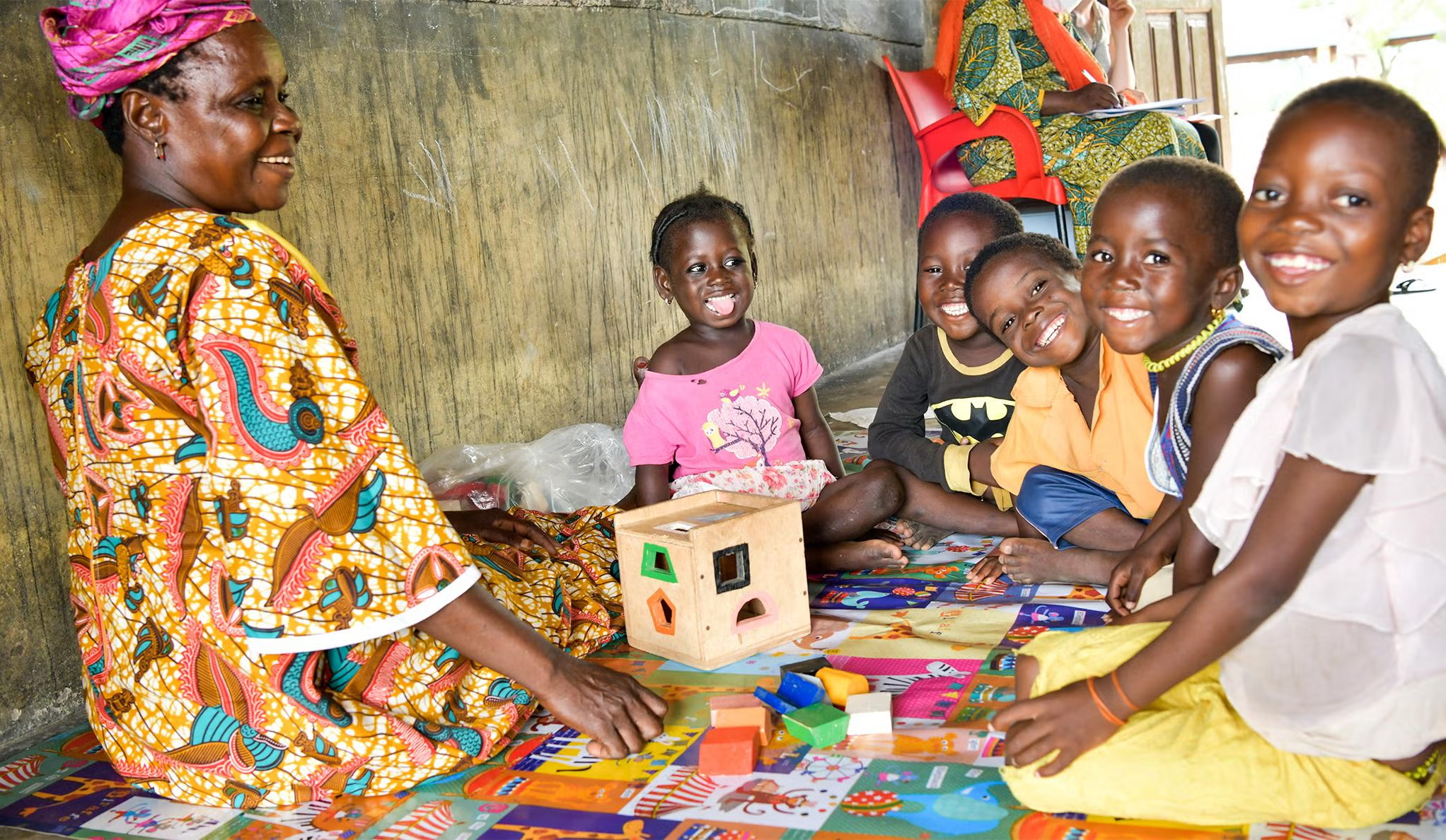
Lively Minds has developed a simple curriculum composed of things parents can do to spur their child’s development. Parents go to a series of engaging workshops provided by trained community members. Moms form regular educational play groups, and weekly radio broadcasts reinforce everything parents have learned.
The Dream
Kids across the Global South get quality, parent-powered play-based learning and care paid for and administered by governments.
Why We're In
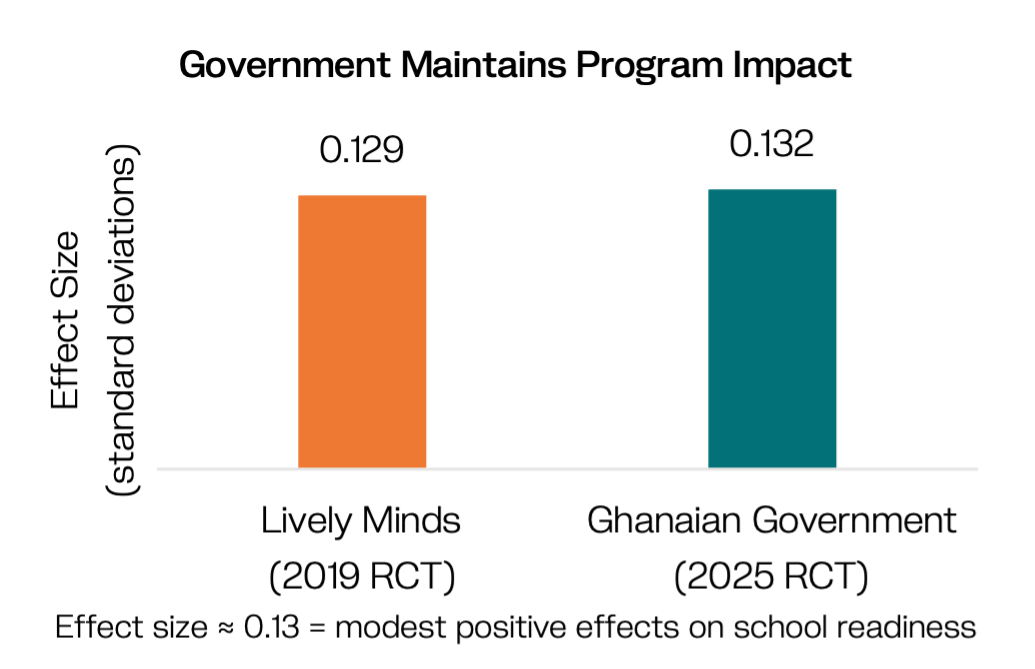
Lively Minds has rigorous evidence showing that their kids start school a year ahead of peers—and the poorest kids make double the progress. Just as impressive, they are scaling up via government. Government personnel now do the training and run the program, and—remarkably—achieve the same results.
The Model
A solution that works and can scale.
Curriculum for Parents
Lively Minds and governments co-develop an evidence-based, context specific behavior-change curriculum for parents to support them provide care and learning for their pre-school children (3-6 years) with a focus on early learning, child health & wellbeing, child safety, and maternal wellbeing.
Parenting Workshops
Government trains master trainers (e.g., Kindergarten Teachers in Ghana, CHWs in Uganda) who in turn train parents through in-person workshops and radio. Local government also provides regular “top-up” training for trainers, coaching, and quality assurance.
Play Groups
Parents provide nurturing care and learning individually or in group “play schemes”. In Ghana and Uganda, mothers organize groups to run weekly structured play-based activities and educational games at pre-K spaces (or on their own where no pre-K system exists).
Potential for Impact at Scale
Mulago uses four criteria to gauge potential for exponential impact. The model must be:
This is about impact and evidence. Preliminary results from 2nd RCT (2025) shows that kids in Ghana are a year ahead of their peers when they enter school (~0.13 SD on school readiness and ~0.25 for the poorest kids) via a government doer. These preliminary results are compelling since it mirrored those of a 2019 RCT which had more Lively Minds support. We don’t however know the impact potential of a simpler model that will be deployed outside Ghana.
This is about scope. 250M kids in poor countries don’t have access to quality Early Childhood Development. Ghana has a head start as they established universal state funded pre-primary in 2008. Other governments (Burundi, The Gambia, Oromia in particular) are now establishing pre-primary systems but are struggling with quality and seeking solutions. Governments may be able to pull this off if they have adequate trainers, project management capabilities, and funding (this is a big if).
This is about whether governments can deliver the model. Lively Minds’ model is systematic, and Ghana has a plan to take it from the north of the country to all kids nationally with minimal support from Lively Minds (and funded by the Global Partnership for Education). What we don’t know is which other governments can replicate, especially if you remove Lively Minds support (beyond upfront involvement in co-designing content, building capacity of a government team). Governments may also remove the “play schemes”, which is likely to have implications on impact.
This is about what the model costs if delivered by government and whether government is willing and able to pay. The current marginal $3/child cost in Ghana is cheap , and it covers refresher trainings, supervision/transport, and a government coordination team. Outside Ghana, they’re testing a simpler and cheaper model where curriculum and training should be baked into existing budgets. So, both set-up and marginal costs should be near zero. Ongoing pilots will reveal more precise price points.
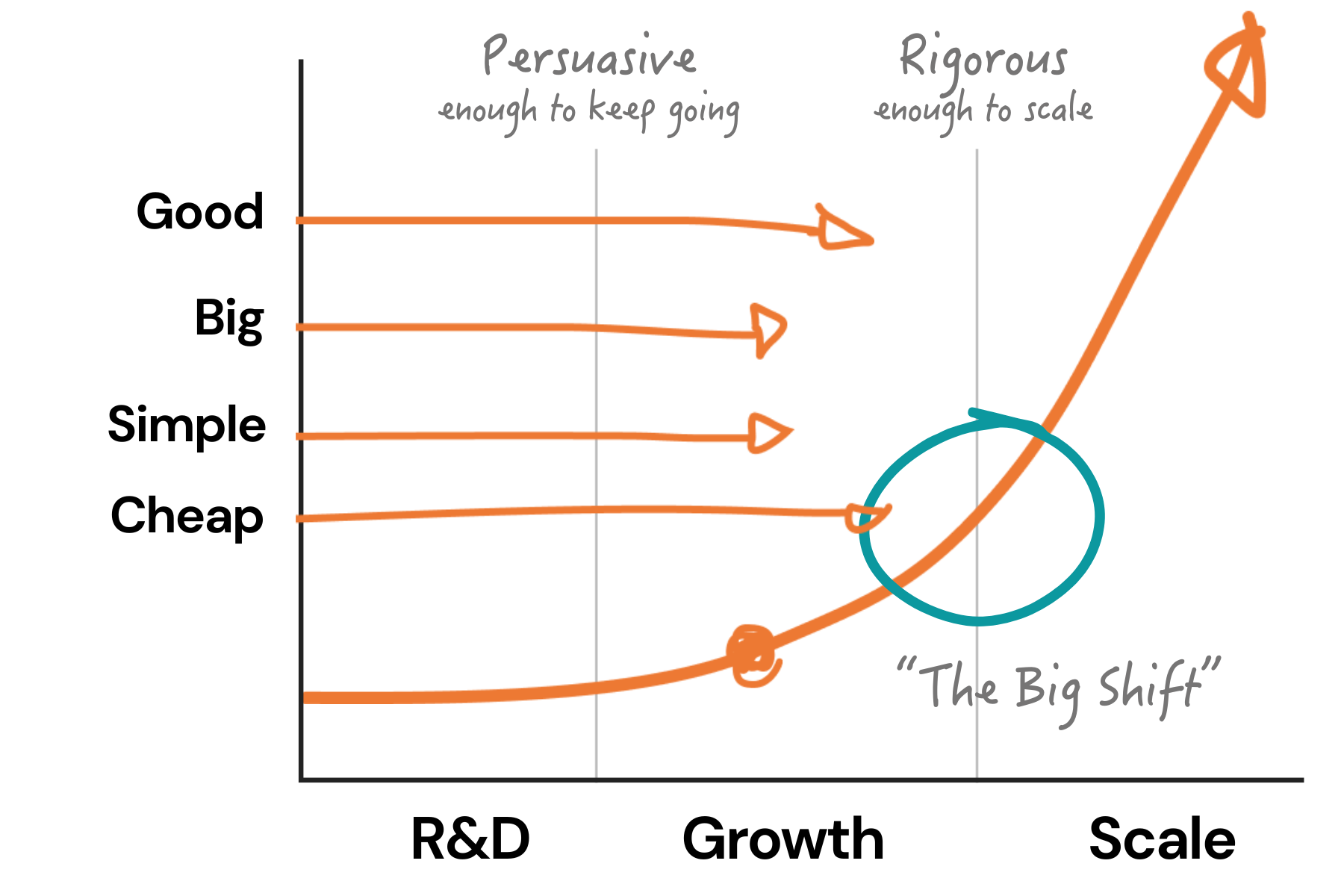
Lively Minds is in mid Growth stage in Ghana.
Our Take
Lively Minds has shown that government can replicate their model with good enough results and even get a payer for it – Ghana is intent on scaling to all kids through GPE funding – although this funding will eventually run out and it’s not clear what the government will prioritize then. Critically, what we don’t know is how this will look outside of Ghana with governments that have fewer resources. It will be hard to replicate the same results in a new place, but Lively Minds is actively testing what might work and at what price point.
Are you a serious funder and want to learn more?
This is just a snapshot of what we know about the organization. If you're an investor or funder that might send some serious dough their way, we're always delighted to share more. Reach out and we'll connect you with the right person on our team.
*this is not monitored for funding requests.
.jpeg)